
The Homeowner’s Guide to Roof Repair: Diagnosing Damage, Assessing Costs, and Choosing the Right Solution
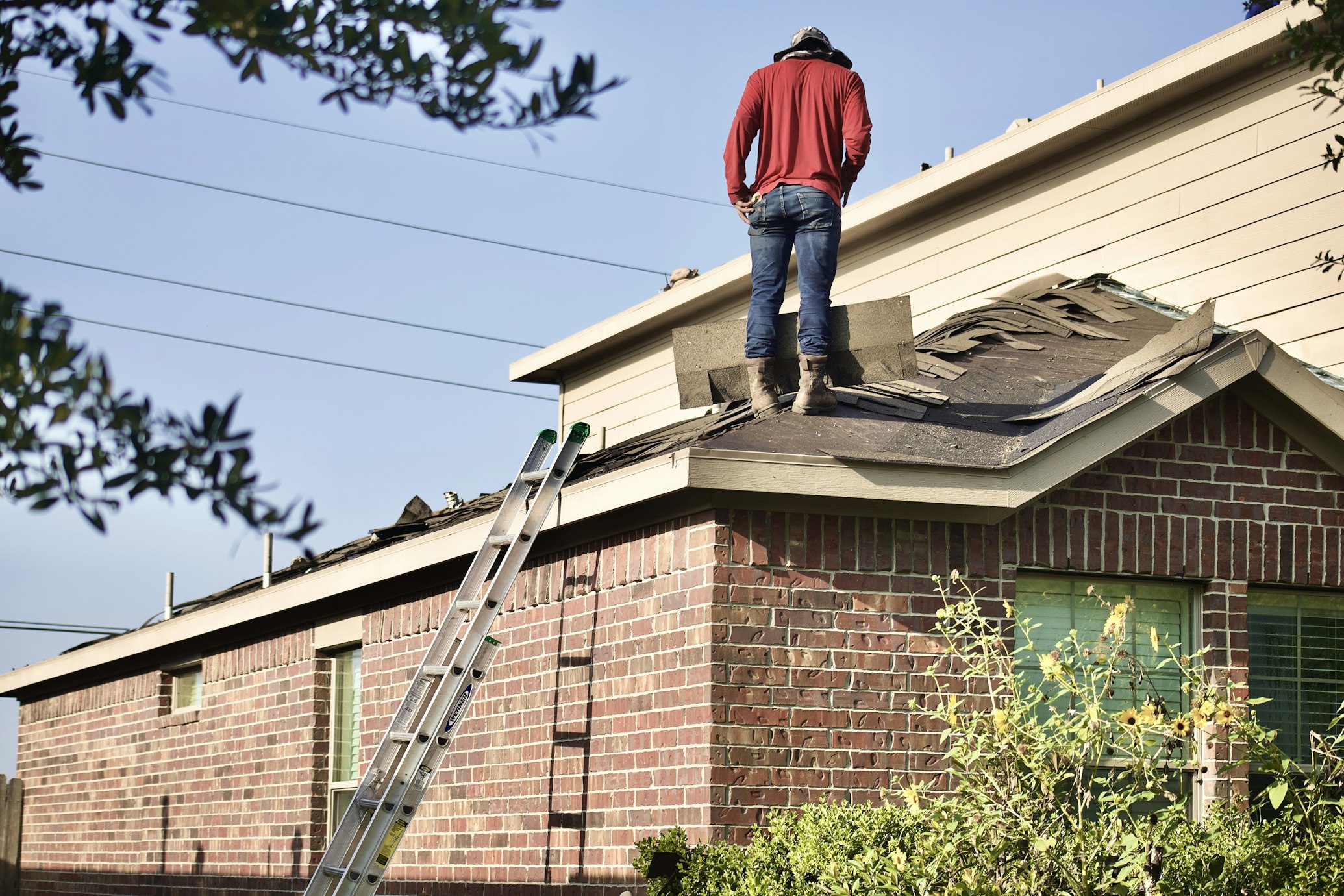
Your roof is the main shield keeping South Florida's brutal downpours and hurricane winds from wrecking your living room. Most people ignore it, but neglecting that overhead barrier ends the moment water starts staining the drywall. When a leak finally shows its face, you have a massive choice to make: can you get away with a quick, targeted patch, or are you looking at a total structural failure that demands a brand-new roof?
Guessing wrong will cost you. If you ignore deep structural rot, you invite black mold and sagging rafters into your home. On the flip side, tearing down a roof that still has five good years left tosses thousands of dollars straight into the landfill. This guide breaks down exactly how your roof works, where it usually fails, what drives the actual repair bills, and how to choose between a quick fix and a total teardown.
Understanding Your Roof: Repair vs. Maintenance vs. Replacement
You cannot make a smart choice for your home without knowing how maintenance, repairs, and complete replacements actually differ. Each process plays a distinct role in keeping your house dry.
Roof Lifecycle Comparison
Preventative Maintenance
- • Proactive inspections
- • Clearing debris & gutters
- • Resealing penetrations
- • Extends overall service life
Localized Repair
- • Corrects active leaks
- • Replaces lost shingles/tiles
- • Patches isolated damage
- • Restores water-tightness
Systemic Replacement
- • Strips down to structural decking
- • Replaces rotten plywood
- • Upgrades underlayment
- • Installs new surface system
Preventative Roof Maintenance
Maintenance is proactive. By scheduling regular upkeep, you preserve your current roof and stop early failures before they start. You are not fixing active leaks here; instead, you are sealing up weak spots before rain gets inside by clearing valley debris, cleaning gutters, scraping away moss, and running fresh caulk around vents, pipes, and chimney flashing.
Localized Roof Repair
Repairs react to specific damage. When the rest of your deck is solid but a storm rips away a few shingles or tears the flashing off a single plumbing boot, you just need a targeted fix. We patch that exact spot to restore your dry shield without ripping up the surrounding materials that still have years of life left in them.
Complete Roof Replacement
Replacement means starting over. Our crew strips your old roof down to the bare plywood, checks the wood for soft spots or sagging, swaps out rotten decking, and lays down brand-new underlayment, drip edges, flashing, and shingles or tiles.
You need this when:
- Your roofing materials have simply aged out of their manufacturer warranty.
- Damage spreads across the entire surface, leaving you with brittle, bald, or cracked shingles on every slope.
- Hidden leaks rot out massive sections of your underlying wood deck over several years.
- The math no longer makes sense because chasing endless leak repairs costs almost as much as starting fresh with a brand-new system.
Identifying Common Types of Roof Damage
Roof systems endure brutal, relentless punishment from the South Florida elements. Catching this wear early prevents a minor leak from spiraling into an expensive structural nightmare.
Wind Damage
Strong winds do not just toss branches around. They generate a powerful aerodynamic uplift that claws at your roof line, easily grabbing the edges of tiles, shingles, or metal panels. This intense upward pressure creases, cracks, or completely rips materials away. Even when shingles look intact from the ground, heavy gusts often snap the adhesive sealant bond underneath, leaving them loose and completely helpless against the next afternoon downpour.
Hail Damage
Hailstones act like rapid hammer strikes, fracturing your roofing material instantly. For asphalt shingles, hail bruises the surface and knocks away the protective mineral granules, exposing the dark asphalt layer underneath to the scorching sun. These raw, bald spots bake in the heat, crack, and let water in. On clay or concrete tiles, hail leaves clean fractures and chips that immediately ruin your water-shedding barrier.
Water Accumulation and Damming
While northern homes struggle with ice dams, our coastal climate faces a different kind of water backup. Torrential tropical downpours routinely dump inches of rain in minutes, easily overwhelming valleys and gutters. If debris clogs your gutters or your valleys lack the proper slope, pooling water backs up right under the drip edge, rotting out your fascia boards and eating away at your structural eave framing.
Leaking Valleys
Valleys are the heavy-duty channels where two sloped roof sections meet. Because runoff from both sides of your roof empties directly into these intersections, they carry a massive, rushing volume of water during a storm. If the metal flashing or the thick underlayment membrane underneath is punctured, poorly installed, or simply baked to dust by decades of direct sunlight, water will pour straight into your ceiling.
Damaged, Balding, or Curled Shingles
Shingles dry out, losing their protective granules as they age. This natural decay forces the shingle edges to curl upward or cup in the center. Once shingles lose their flexibility and turn brittle, they can no longer expand and contract during our intense daily temperature swings, causing them to split, snap, and fail completely.
Beyond the Shingles: Structural Roof Elements to Inspect
Your roof is not just a collection of shingles or tiles thrown over your house. It is a highly engineered, multi-layered defensive shield where every single piece depends on the next to survive South Florida's brutal weather. If you only look at the top layer during a repair, you are setting yourself up for a massive headache.
- Flashing:These thin metal strips of galvanized steel, aluminum, or copper seal the vulnerable seams where your roof meets walls, valleys, and chimneys. Rusting, cracked, or poorly sealed metal here is almost always the culprit behind mystery ceiling leaks.
- Underlayment:Laid directly onto the wood decking, this acts as your backup shield against water. While older homes used simple felt paper, modern code requires tough synthetic polymers or self-adhering modified bitumen membranes that seal tight around nail holes.
- Drip Edge:This specially bent metal strip runs right along the rakes and eaves. It forces rushing rainwater to overshoot your fascia boards and drop cleanly into your gutters. Without it, water rolls backward under your shingles, rotting the edge of your roof deck.
- Decking (Sheathing):This is the wooden backbone of your roof, built from heavy plywood or OSB sheets nailed straight to your trusses. Leaks turn this sturdy wood into a soggy sponge that sags and loses fastener grip strength.
- Ventilation:Roofs need air. A working setup uses intake vents under your soffits to pull cool air in, while hot air escapes through ridge vents at the peak, preventing trapped attic heat from baking your shingles from underneath.
- Gutters:These channels catch the waterfall pouring off your roof and direct it safely away from your walls and foundation. Clogged downspouts hold heavy water that backs up over your drip edge.
The Structural Component-by-Component Repair Matrix
When Florida storms take a toll, you need to know exactly how a professional tackles each vulnerable part of your roof. The matrix below breaks down the failures we see most often in Miami-Dade and Broward, how we fix them, and when you need to stop patching and replace the whole thing.
| Roof Component | Common Failure Mode | Typical Repair Action | When to Choose Replacement |
|---|---|---|---|
| Field Shingles / Tiles | Wind uplift, missing granules, minor cracks, localized impact damage. | Extract damaged pieces, slide in color-matched replacements, secure with code-compliant fasteners. | When >20-25% of the total surface is damaged or remaining materials are too brittle to work on. |
| Flashing (Chimneys, Walls) | Rusting metal, cracked caulking, lifting flanges, separated mortar joints. | Remove old sealants, install new step/counter-flashing, seal with elastomeric polyurethanes. | When flashing has failed globally across all penetrations or during full surface replacement. |
| Valley Lining | Worn membranes, rusted metal valleys, debris-induced wear. | Strip surrounding tiles/shingles, install new ice/water shield membrane and pre-painted metal valley. | If valleys have leaked silently for long periods, causing extensive structural rot in valley rafters. |
| Plumbing Vents / Boots | Dry-rotted rubber collars, cracked plastic bases, failed sealant rings. | Remove surrounding shingles, slide off degraded boot, install new metal/lead collar boot, re-flash. | Almost always resolved via localized repair unless surrounding decking is completely rotted out. |
| Drip Edge & Fascia | Water backing up under shingles, rotted fascia boards, detached drip edge. | Remove edge shingles, pull up degraded fascia wood, install new pressure-treated lumber and metal drip edge. | When rot has spread along the entire perimeter of the home's eaves from chronic drainage failure. |
| Roof Decking (Sheathing) | Soft spots, sagging sections, mold on underside, rusted nails pulling out. | Cut out rotted plywood back to rafters, install structural blocking, nail down exterior-grade plywood. | When soft spots are discovered across multiple slopes, indicating widespread slow long-term leaks. |
What to Expect During a Professional Roof Inspection
Squinting at your shingles from the driveway or relying on a quick satellite snapshot won't cut it. True peace of mind requires a hands-on, physical assessment by a licensed pro. Our team evaluates your roof through a meticulous, 5-step diagnostic process:
- Interior Attic Inspection: We examine the underside of your wood decking with high-powered lights for dark water stains, active mold, rusted nails, and sagging timber.
- Exterior Perimeter Scan: We check gutters for sagging, look for wood rot along fascia and soffits, and search soil for loose shingle granules.
- On-Roof Physical Assessment: Walking the slopes allows us to feel for soft, spongy spots in the wood beneath our boots and check shingle flexibility.
- Penetration and Flashing Analysis: We closely examine every chimney, skylight, plumbing stack, and ridge vent for cracking or loose nails.
- Comprehensive Diagnostic Report: You get a detailed breakdown with photos, an honest estimate of remaining service life, and clear repair vs. replacement recommendations.
Real Budget Factors: Scale, Materials, and Permits
Roofing demands serious capital. Because no two homes in Miami share the same layout, flat-rate internet quotes are generally misleading. You need to know the specific levers that push your final invoice up or down.
Project Scale & Pitch
Roofers measure jobs by the "square" (10x10 ft area). Total square footage, pitch steepness, and roofline complexity determine labor hours and safety rigging requirements.
Material Quality
Upgrading to engineered systems like Owens Corning architectural shingles with SureNail® technology or concrete/clay tiles provides superior wind resistance up to 150+ mph.
Tear-Off & Disposal
Florida code forbids nailing over old rotten roofs. A full tear-off requires manual labor to strip layers down to plywood plus heavy landfill hauling fees.
Permits & Code Compliance
Building departments in High-Velocity Hurricane Zones (HVHZ) require official permits through local portals (like Miami-Dade's iBuild), engineering reviews, and mandatory progress inspections.
When to DIY vs. When to Call a Licensed General Contractor
Online tutorials make it look easy, but climbing onto your roof over the weekend to patch a leak is vastly different from clearing out your gutters. While basic maintenance is fine for a handy homeowner, structural roofing work demands professional oversight.
Safe for DIY Maintenance
- • Clearing leaves and branches from valleys
- • Cleaning gutters and downspouts
- • Visual inspections from a secure ground/ladder position
- • Applying outdoor sealant to exposed screw heads on easy-access flashing
Requires a Licensed General Contractor
- • Repairing structural deck rot and damaged rafters
- • Replacing damaged valley flashing and metal drip edges
- • Waterproofing skylights, chimneys, and pipe boots
- • Pulling permits through Miami-Dade iBuild portal
Navigating Your Options: How Local Contracting Standards Compare
Choosing the right team to fix your roof means finding professionals who actually understand South Florida wind loads, carry real credentials, and know how to pull permits in our local cities.
At Royal Residence Builders Miami (CGC License #1538607, with over $1M in general liability insurance), we focus on structural home improvements and storm protection across Miami-Dade and Broward counties. We run the whole project — from checking your attic rafters to submitting files through the iBuild portal and installing tough Owens Corning systems.
Explore Related Resources
Learn more about choosing the best materials or explore our local service coverage:
The Annual Preventive Roof Maintenance Checklist
Keep your roof alive. To dodge expensive emergency repairs, run through this checklist twice a year (right before summer storms hit, and once after they clear out):
Frequently Asked Questions
How do I know whether my roof needs repair, replacement, or routine maintenance?
Maintenance is a proactive step that preserves your roof and stops leaks before they start by clearing gutters, debris, and resealing penetrations. You need a localized repair when the rest of your roof deck is solid but you must patch specific, isolated damage like a few missing shingles or torn flashing. A complete replacement is required when roofing materials age out of their warranty, damage spreads globally across the entire surface, hidden leaks cause extensive wood rot, or the ongoing cost of chasing endless leaks approaches the price of a brand-new system.
What is the difference between proactive roof maintenance and localized repairs?
Proactive maintenance is scheduled upkeep to seal weak spots before rain gets inside—such as clearing valleys, cleaning gutters, scraping moss, and applying fresh caulk to vents and flashing—without addressing active leaks. Localized repairs are reactive solutions to active, targeted damage. When the rest of your deck is solid, a localized repair patches exact problem spots, like a torn plumbing boot or loose shingles, without tearing up surrounding materials that still have life left.
When is it necessary to choose a complete roof replacement over a simple repair?
You should choose a complete replacement when your materials have aged out of their manufacturer warranty, when damage like brittle or cracked shingles spreads across the entire surface, or when hidden leaks have rotted out massive sections of your underlying wood deck over several years. It is also necessary when the math no longer makes sense because chasing endless individual repairs costs almost as much as starting fresh with a brand-new system.
How does wind damage affect shingles and roofing materials in South Florida?
Strong winds generate a powerful aerodynamic uplift that claws at the roof line, grabbing the edges of shingles, tiles, or metal panels. This intense upward pressure can crease, crack, or completely rip materials away. Additionally, heavy gusts often snap the adhesive sealant bond underneath the shingles, leaving them loose and completely helpless against subsequent heavy downpours, even if they look intact from the ground.
What kind of damage does hail cause to asphalt shingles and clay tiles?
Hailstones act like rapid hammer strikes that fracture roofing materials instantly. On asphalt shingles, hail bruises the surface and knocks away the protective mineral granules, exposing the dark asphalt layer underneath to the scorching sun where it bakes, cracks, and lets water in. On clay or concrete tiles, hail leaves clean fractures and chips that immediately ruin your water-shedding barrier.
How does water accumulation lead to roof damage in our coastal climate?
In our coastal climate, torrential tropical downpours dump inches of rain in minutes, which easily overwhelms valleys and gutters. If gutters are clogged with debris or valleys lack the proper slope, this pooling water backs up right under the drip edge. This standing water rots out your fascia boards and eats away at your structural eave framing.
Why are leaking valleys such a serious threat to a home's interior?
Valleys are the heavy-duty channels where two sloped roof sections meet, meaning they carry a massive, rushing volume of water runoff during storms. If the metal flashing or the thick underlayment membrane underneath is punctured, poorly installed, or baked to dust by decades of direct sunlight, water will pour straight through these intersections and directly into your ceiling.
What roofing components besides shingles need to be checked during an inspection?
During an inspection, you must check components beneath and around the shingles. This includes flashing, which are thin metal strips (galvanized steel, aluminum, or copper) that seal vulnerable seams around chimneys, valleys, walls, skylights, and pipes. It also includes the underlayment, which is laid directly onto the wood decking to act as a backup shield against water, as well as the wood decking (plywood or OSB sheets) and the drip edge.